Copper jumped on Congo's ban, but the target is concentrate, not refined metal
Market prices are reacting to the supply shortage, but the situation needs more time to be observed.
That is because this is not the first time Congo has blocked concentrate exports.
Congo failed to keep earlier bans in place because it lacked enough domestic smelting capacity.
The government of the Democratic Republic of the Congo immediately banned exports of copper and cobalt concentrate in an order dated June 29. Concentrate is an intermediate product in which ore has been upgraded but not yet smelted into metal. The government wants that intermediate processed at home so more value stays in the country. After Reuters reported the order, three-month copper on the London Metal Exchange rose as much as 1.8% to $14,369.50 a ton. The order nevertheless allows one-year export waivers in strategic circumstances.
What the price read and what was actually blocked
Concentrate and refined copper are different products even though they contain the same metal. In the first quarter of 2026, Congo exported 696,725 tons of refined copper cathodes. It exported 53,926 tons of concentrate containing 18,863 tons of copper metal.
The copper volume directly targeted by the ban is far smaller than the headline may suggest. Both figures cover the first quarter of 2026.
Reuters (2026-08-06), citing official Congolese export data
The fact that most material is already refined locally limits the immediate hit. It also concentrates the burden on projects such as Kamoa-Kakula that had export exemptions. Congo introduced similar bans in 2013, 2019, and 2023, granting waivers when domestic smelting capacity was insufficient. The latest order repeals the 2023 order and its exemptions and replaces them with a wider framework.
More smelters change the policy's weight
There is one important difference from earlier rounds. Ivanhoe Mines built a 500,000-ton-a-year on-site smelter at Kamoa-Kakula and produced its first copper anodes in December 2025. The company said it expected to reduce on-site copper-in-concentrate inventory from 37,000 tons to 17,000 tons during 2026. That is evidence that domestic processing capacity is genuinely growing.
 Kamoa-Kakula produces its first copper anodes at a 500,000-ton-a-year on-site smelter (Ivanhoe Mines, 2026-01-02)
One project's smelter cannot process every concentrate stream in the country. The ban's staying power is a race between new processing capacity and the pace at which the government grants waivers.
Cobalt has a more direct valve
Congo's leverage is greater in cobalt. The US Geological Survey estimates that in 2024 the country produced 75% of the world's cobalt, 13% of mined copper, and 9% of refined copper.
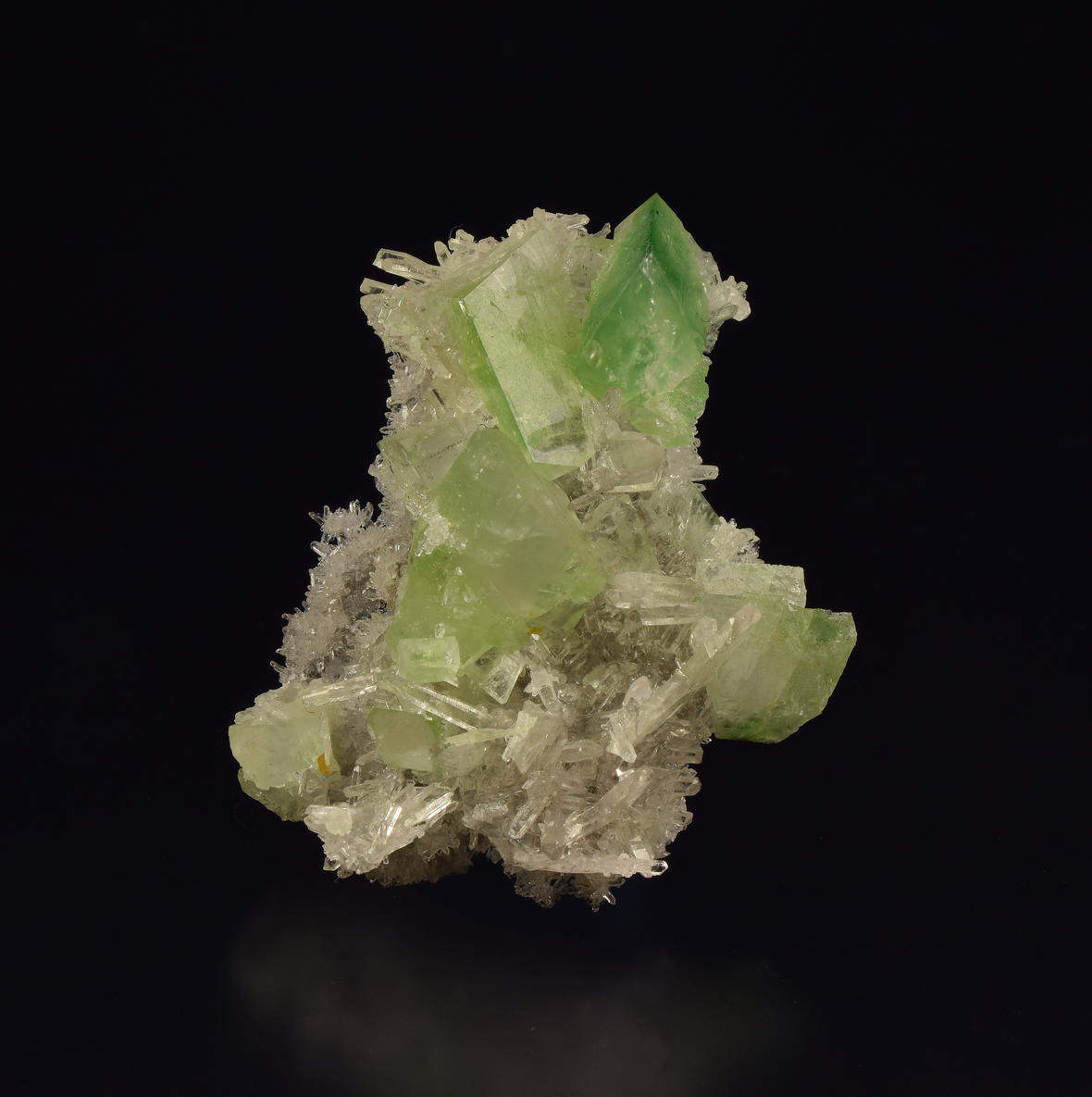
Cobalt also has a separate export quota already in force. The International Energy Agency's policy record puts the 2026 ceiling at 96,600 tons: an 87,000-ton base quota plus a 9,600-ton strategic quota that can be adjusted with market conditions.
Copper's first move was quick to price the word ban. The policy's real weight will show up in quarterly concentrate exports, refined-copper exports, cobalt shipments, and waiver approvals. If those four numbers do not fall, much of the rally will have priced caution before a physical supply loss.
- Copper rose as much as 1.8% in London after the Democratic Republic of the Congo immediately banned copper and cobalt concentrate exports.
- Yet in the first quarter of 2026, Congo exported 696,725 tons of refined copper cathodes versus 18,863 tons of copper contained in concentrate.
- The one-year waivers and the separate cobalt quota's effect on actual shipments matter more than the first price shock.
Sources
- Original post Meru's analysis of Congo's copper and cobalt export controls and prices
- Reuters The export order, price reaction, waiver clause, and first-quarter export mix
- US Geological Survey Congo's shares of global cobalt and copper production
- International Energy Agency The cobalt export quota currently in force and its adjustment rules
- Ivanhoe Mines Kamoa-Kakula's on-site smelter start-up and concentrate inventory plan
This author's record
- BullWhy did China build a 2008 model when it already held ASML's 7nm scanner?
- BullHouthis strike two Saudi-owned tankers by name, following through on a five-day…
- BullMeru: Alphabet raises 2026 capex to $195-205B even as free cash flow turns nega…