1,638 bitcoin, 3.01 million new shares, 912,143 preferred shares bought back
In the past week, @Saylor sold 1,638 Bitcoin & more than 3 million $MSTR shares to raise cash and buy back $STRC.
STRC is now an albatross around MSTR's neck, ensuring continued Bitcoin sales & common-stock dilution.
Strategy sold 1,638 bitcoin last week. The proceeds were $104.7 million, about $64,000 a coin.
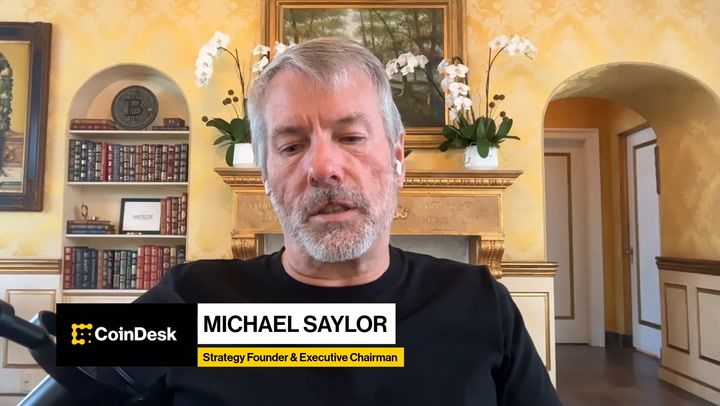 Strategy sold another $105 million of bitcoin last week, repurchased $81.2 million of STRC (CoinDesk, 2026-08-03)
Over the same days the company printed 3.01 million new common shares and took in $290.6 million. The money from both sources went to one job. It bought back 912,143 shares of its own preferred stock, STRC, for $81.2 million.
Sold below what it paid
Schiff writes that Saylor sold to raise cash. Divide the proceeds by the coins sold and you get roughly $64,000 each, below the average price the company has paid over the years. The author's premise, that this was not a sale made because the price was good, holds up in the numbers.
Retrieved 2026-08-04 · Strategy 8-K filed 2026-08-03, as reported by The Block and CoinDesk
 Michael Saylor's Strategy sells another 1,638 BTC for $105 million, reducing holdings to 842,138 BTC (The Block, 2026-08-03)
The Block puts the company's average acquisition price at $75,419. For a firm that spent six years only buying, selling below cost is not something it used to do. It has sold 5,258 coins so far this year, the most in any year since it started buying in 2020.
What STRC is, to be worth this
STRC is a preferred stock the company issued. A preferred stock is sold on a promise that its dividend gets paid ahead of the common, and STRC's stated value is $100 a share, a level it has traded below since May. The company has pushed the dividend rate to 12% a year to hold it there.
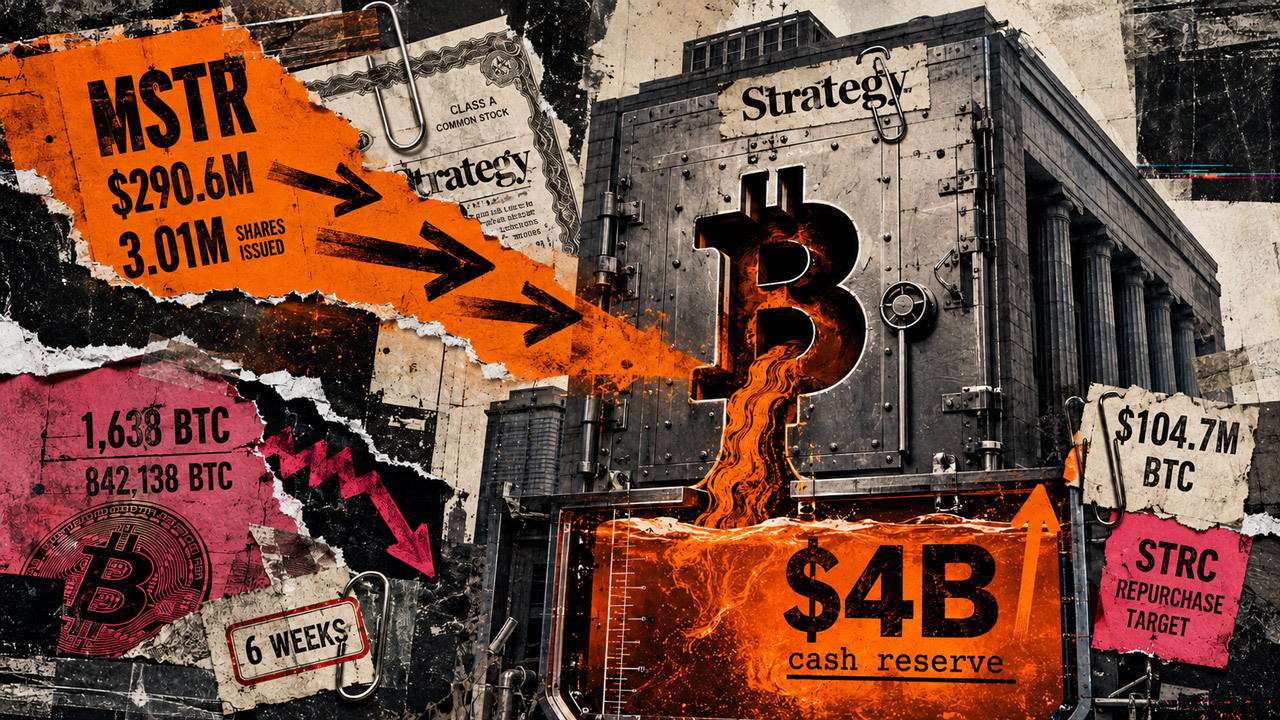 Strategy sells $395 million in bitcoin and MSTR stock to buy back $81 million in STRC and build its cash reserve to $4 billion (CryptoSlate, 2026-08-03)
CryptoSlate lays out the arithmetic of the buyback. When a preferred stock trades below the value it promised, issuing more of it stops being a way to raise money. Buying the discounted shares back retires future dividend obligations cheaply, and the extra bid nudges the price back toward what was promised. The price has to come back before the company can print preferred stock for cash again. The funding for the buyback split two ways. $52.3 million came from the bitcoin sale and $28.9 million from the common share issuance.
Shedding assets and ownership at once
This is where you can see that the company has only two taps. Sell what it holds, or print new shares. Last week it turned both. Printing shares shrinks the slice of the same company each existing holder owns. Selling assets shrinks the pile of bitcoin the company sits on. Both went to defending the price of one preferred stock.
STRC has become a weight around the neck. While this structure stands, bitcoin sales and share dilution keep coming.
Retiring preferred cheaply cuts the dividend bill and lifts the price. Once it recovers, funding reopens.
Facing the same buyback, one side sees a leaking bucket and the other a one-off cost of restoring a price.
Whether STRC gets back to what it promised
The dollar reserve has grown to $4 billion. CryptoSlate reports that this covers roughly 27 months of the $1.76 billion a year that goes out as preferred dividends and debt interest. That means there is time. It also means that if the price has not come back to where it was promised within that window, the same week repeats. The company puts its bitcoin yield for the year at 3.5%, and at negative 4.6% for the quarter. Growing the bitcoin per share was the whole arithmetic of this company, and that arithmetic has now been redirected to holding up a preferred share price. Whether STRC recovers the $100 line or stays under it decides whether this company can turn back into a buyer.
- A company whose job was to accumulate bitcoin spent last week selling both bitcoin and new shares to buy back its own preferred stock.
- With only two taps, asset sales and share issuance, the cost of defending the preferred price shows up directly as fewer coins held and a thinner slice per shareholder.
- The $4 billion pile covers 27 months of dividends and interest, so the question is not when the money runs out but whether STRC gets back to $100 inside that window.
Scheduled for gradingAwaiting grading
Sources
- Original Peter Schiff (@PeterSchiff) · Saylor sold bitcoin and MSTR shares to buy back STRC · 2026-08-03
- CoinDesk 1,638 BTC sold, 912,143 STRC shares repurchased for $81.2 million, 3.01 million common shares issued (2026-08-03)
- The Block Proceeds of $104.7 million, average purchase price of $75,419, 842,138 BTC still held (2026-08-03)
- CryptoSlate Buyback funding split ($52.3 million from bitcoin, $28.9 million from share issuance), 5,258 coins sold this year, $4 billion covering 27 months of $1.76 billion a year (2026-08-03)
- Strategy 8-K filing The 8-K filed 2026-08-03, the primary document the reports above cite
Retrieved 2026-08-04 · Sale and issuance figures follow the 8-K filed 2026-08-03 and cover 2026-07-27 through 08-02. The bitcoin yield figures are the company's own.