2027 memory capacity is already sold out, and the price is still unset
SK Hynix, $MU, and Samsung have sold out of 2027 capacity for DRAM/HBM.
industry insiders pointed out that 2027 will enter the most severe moment of memory shortage
Hard to see those memory "oversupply" claims in early-mid 2027 when they're all sold out of capacity already.
DRAM and HBM capacity for 2027 has been fully booked ahead of schedule. DigiTimes reported it citing industry sources, and says NAND bookings should be filled by the end of this month.
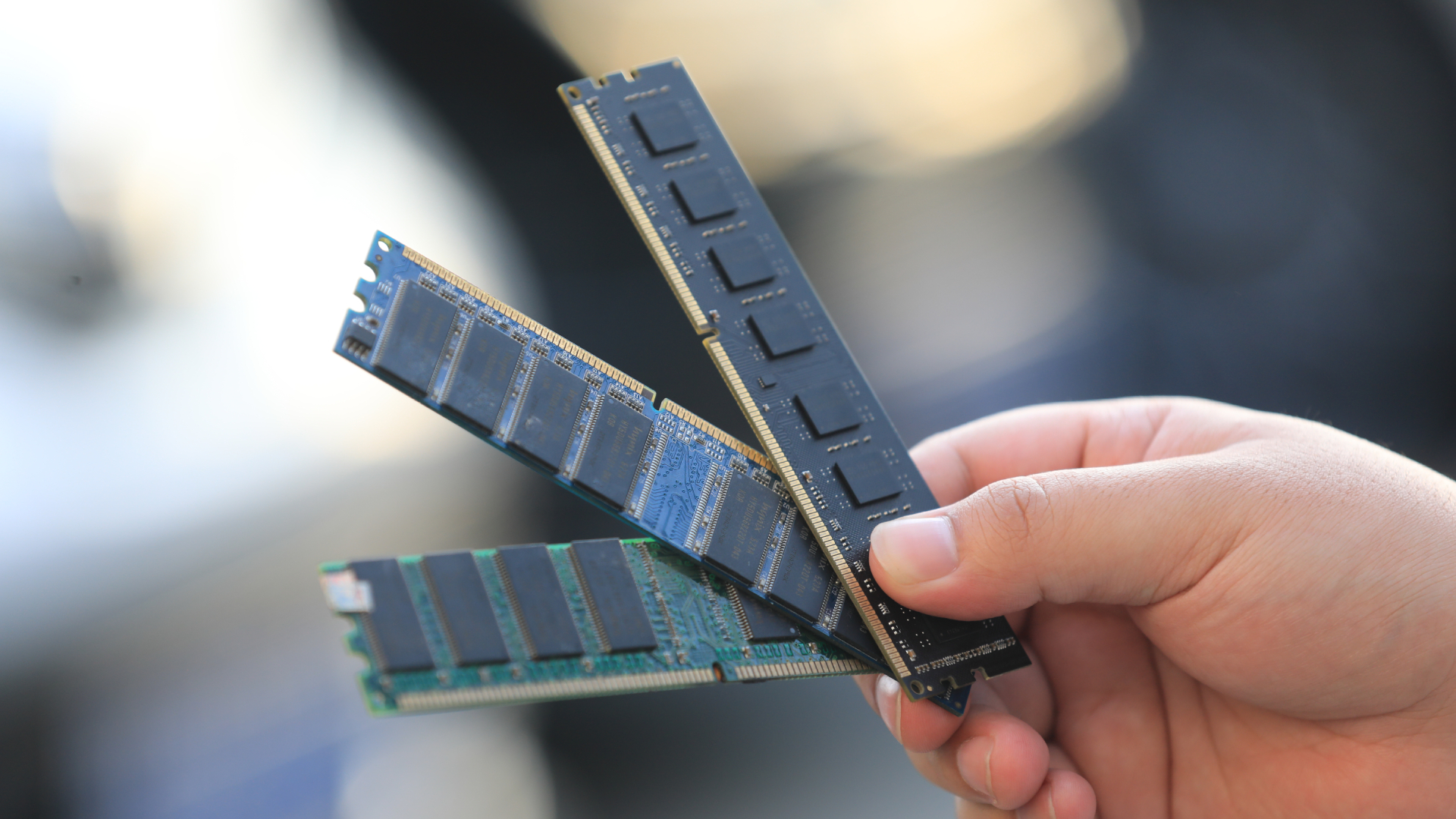 DRAM supply to module makers could fall to about 30% of this year's level in 2027, says Apacer CEO (Tom's Hardware, 2026-07-29)
Apacer is a Taiwanese memory module maker. It buys finished chips and sells them as the sticks that go into machines, which puts it at the back of the allocation queue. Its CEO said the DRAM that module makers receive in 2027 could drop to roughly 30% of this year's volume. About 60% of DRAM capacity now goes to servers, and consumer products divide what is left.

What does sold out actually mean
It does not mean there is nothing to buy. It means the order of who gets served first is already fixed. Memory makers are shipping only 60% to 70% of the volumes buyers asked for. A company that requested 100 receives 65. Cloud providers and AI firms are filled first, smartphone and PC makers come next. Module houses stand behind them, and the 30% figure from Apacer is the view from the end of that line. One more thing follows from this. A company that has not locked its volumes knows that stepping in now would shrink the allocations of firms already served. So everyone moves quietly. Saying out loud that you are short brings the competition running.
The price is set when the goods ship
The part that stays out of view here is price. Volumes are largely settled, but the actual price is said to be fixed only closer to delivery. The buyer has locked the quantity and not the cost. A normal contract ties the two together. Right now the seller has the power to leave price for later. For a device maker that has to model 2027 costs today, holding an allocation is not by itself a reason to relax.
NAND is not the same picture as DRAM
The original post puts DRAM and NAND on one line and calls both sold out. That is where readings part.
 DRAM buyers face two more years of scarcity as NAND tilts toward surplus, TrendForce outlook (TechTimes, 2026-07-31)
In its July 30 outlook TrendForce saw the DRAM balance deteriorating further through 2027. NAND, by contrast, could swing to a surplus in 2027. Taller stacks are the reason: SK hynix V8 at 321 layers, Samsung V9 above 290, Kioxia BiCS10 at 332 layers all pull more capacity out of the same fab.
You cannot call something a glut when it is already sold out. The shortage is deepening, not easing.
True for DRAM. NAND gains capacity from taller stacks and may run long in the second half of 2027.
The same sold out fact splits depending on whether you look only at DRAM or count NAND as well.
The split comes in NAND in late 2027
On DRAM the two readings do not fight. The fight is over NAND. TrendForce attached a condition of its own. If AI agents spread quickly and start parking their conversation histories on storage, the added NAND capacity may simply be absorbed. In that case the swing to surplus never arrives. If NAND turns long in the second half of 2027, this sold out moment was a DRAM story all along. If it stays short, memory moved as one. Either way the buyer is left holding volume without holding price.
- A company that has not locked its 2027 volumes now enters a stretch where more money does not buy more chips.
- Quantity is settled while price waits for delivery, so the buyer carries the cost risk alone.
- Sold out does not mean the same thing for DRAM and NAND. NAND is already forecast to run long in the second half of 2027.
Scheduled for gradingAwaiting grading
Sources
- Original Serenity (@aleabitoreddit) · 2026-08-04
- Underlying report DigiTimes on 2027 memory capacity being sold out · 2026-08-04 (paywalled)
- Cross-check Tom's Hardware, Apacer CEO interview · 2026-07-29
- Opposing outlook TechTimes summarizing the TrendForce July 30 outlook · 2026-07-31
Checked 2026-08-04. Allocation shares and layer counts are as of each report, and the 2027 balance outlook is TrendForce data from July 30.
This author's record
- BullWhy does AXT's backlog refuse to shrink after revenue grew 164% in a year?
- BullIn a quarter where revenue fell 7% and X-FAB posted a loss, what got confirmed…
- BullTwo earnings reports landed on the day chip stocks crashed together, revenue up…