Samsung's foundry is closing in on 100% utilization, so why is annual profit set for 2028?
Samsung Electronics' foundry division is understood to be targeting 100% utilization within the second half of this year.
Conversely, once utilization returns to a normal track, incremental revenue flows straight through to profit.
Samsung's foundry division is targeting 100% utilization within the second half of this year. Utilization is currently estimated at 70 to 80%, and industry accounts say the order backlog and the state of contract talks make hitting that target all but certain. Lines that sat below 50% from 2024 would be full again after roughly a year.
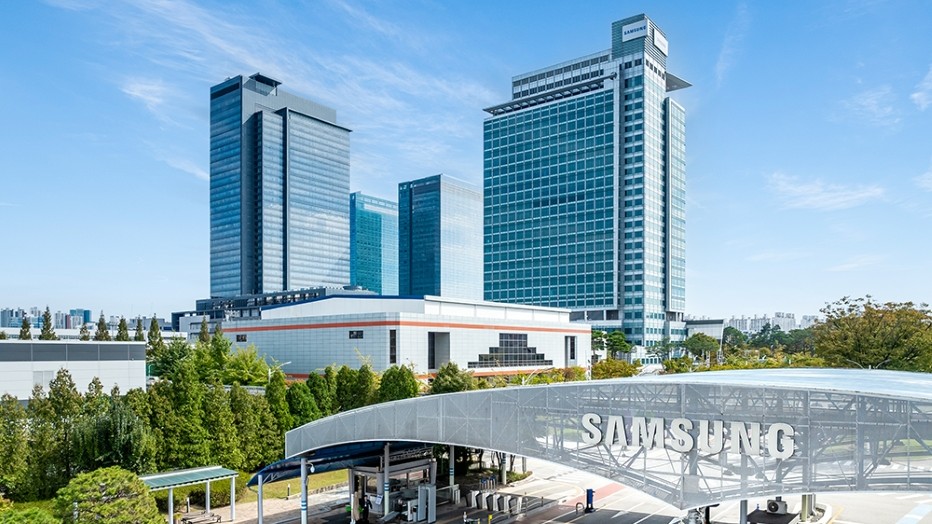 Samsung Electronics Announces Second Quarter 2026 Results (Samsung Newsroom, 2026-07-30)
That release is as far as the company itself has gone. It says only that foundry earnings improved significantly on HBM base-die demand and strong orders from US customers. There is no utilization figure and no date for a return to profit. Foundry results are also folded into the DS division alongside memory, so there is no way to check from outside whether the business has crossed into profit.
Why does utilization matter so much
Utilization is the share of a plant's capacity that is actually running. Think of a restaurant and how many of its seats are filled. Half-empty or full, the rent and the staff cost the same. Contract chipmaking takes this much further because of how much capital sits in the equipment. Depreciation runs whether the lines move or not, which is why the foundry could not even cover fixed costs last year when 4nm and 5nm utilization fell below 50%. Run the same lines closer to full and the extra revenue drops almost straight to profit.
So why say 2028
In a June briefing, foundry head Han Jin-man put annual profitability at 2028. His reason was that turning one profitable quarter is not the same as finishing a year in the black.
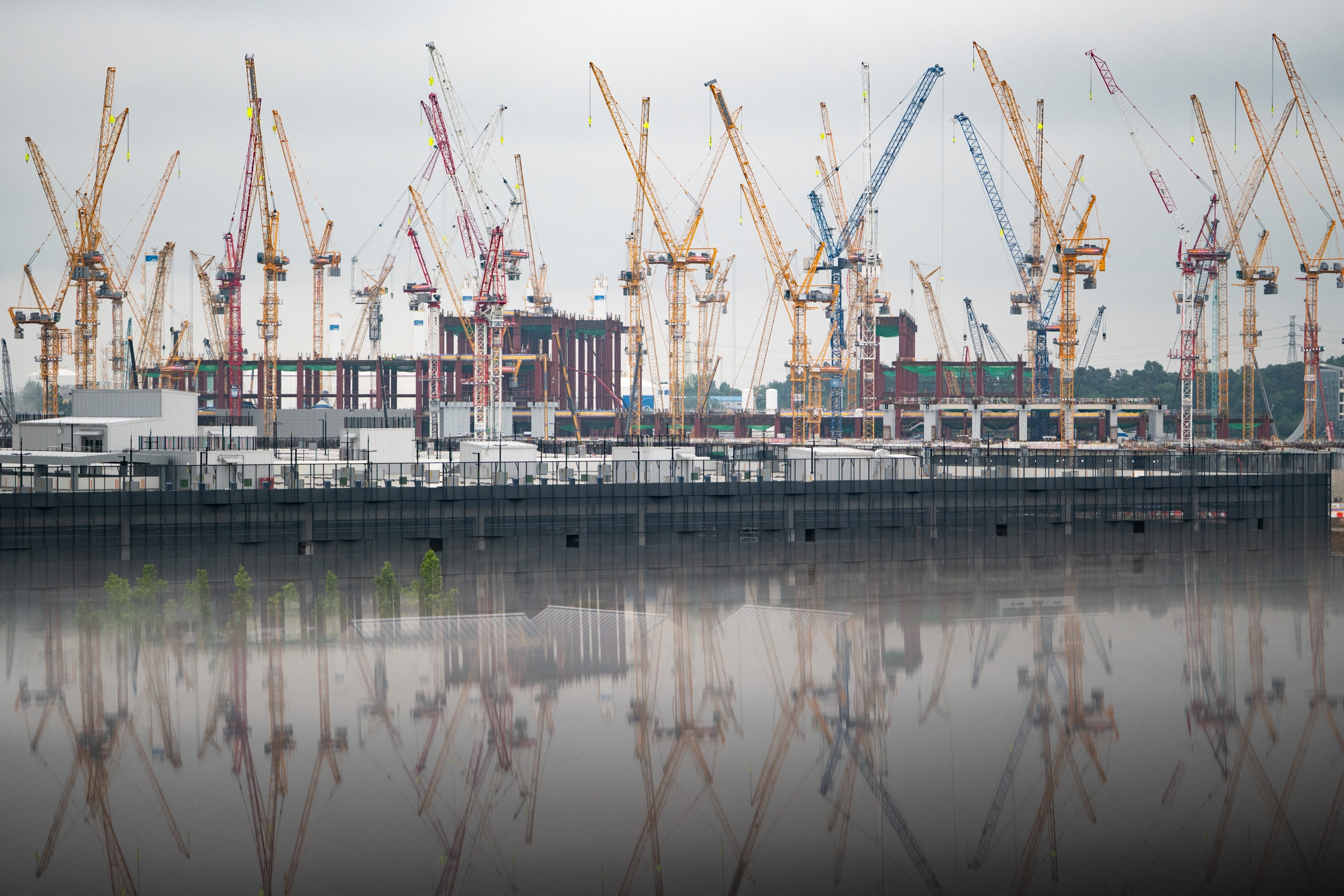 Samsung Foundry Chief Sets 2028 for Annual Profit, Tempering Talk of a 2026 Rebound (Tech Times, 2026-06-14)
The same article lists the reasons he gave for the losses. Legacy businesses being wound down, newly introduced performance bonuses, technology that is not yet mature enough, low-margin orders, and the delayed ramp of the Taylor fab in Texas. Higher utilization does not make those items disappear.
Where is the real threshold
This is where the industry splits. Some argue the watershed for full-scale orders from large customers such as Qualcomm and AMD is not 100% utilization but whether 2nm yields clear 70%. Yield is the share of chips on a wafer that come out working. When yield is low, the same wafer produces more scrap, so the cost of each usable chip stays high even with the lines running flat out. Utilization tells you how full the line is; yield tells you how much of what comes off it can be sold.
The published figures diverge by source, at 55% versus above 60%. Either way, neither reaches the roughly 70% treated as the mass-production threshold. The original post's point that yield comes first holds up in the numbers.
Retrieved 2026-08-03, citing TrendForce (2026-04-14) and Tech Times (2026-06-14) reporting
 Samsung 2nm Yields Reportedly at ~55%, Below Mass Production Threshold; Qualcomm May Opt for TSMC (TrendForce, 2026-04-14)
That report backs one name in the original post and unsettles another. Tesla did place autonomous-driving silicon with Samsung. Qualcomm, however, is said to have put full production of its next flagship on TSMC's 2nm process. Sitting at the negotiating table, which is how the original post described it, is still a different stage from placing the order.
Fill the lines and incremental revenue turns into profit. A profitable quarter is close, which makes this the inflection point.
Most of what fills the lines today is mature-node work. Large customers move to mass production only once 2nm yields settle at 70%.
The same company and the same quarter split two ways depending on whether you look at how full the line is or at how much usable silicon comes off it.
What settles it
The question comes down to one thing. Is 100% utilization the finish line for profitability, or a waypoint with one threshold still ahead. If the non-memory business turns a quarterly profit in Q3 or Q4 and 2nm yields settle in the 70% range, the first reading is right. If the lines fill while yields stay in the 60s, the Qualcomm case repeats and large customers keep taking full production elsewhere. Much of the volume filling those lines was created by the memory boom. For the lines to stay full once that boom cools, outside customer names will have to fill the space instead.
- Korean industry reports say Samsung's foundry is aiming for 100% utilization in the second half of this year, up from an estimated 70 to 80% now.
- On the surface a turnaround looks imminent. Idle lines cost the same, so once utilization climbs, the extra revenue drops almost straight to profit.
- Yet in June the head of Samsung's foundry put annual profitability at 2028, on the grounds that one profitable quarter is not the same as a profitable year.
What happened next
Awaiting gradingIn January 2027, score whether Samsung's non-memory business turned a quarterly profit in Q3 or Q4 2026 and whether 2nm yields were confirmed to have settled in the 70% range.
This author's record
- BullNomura's three-year profit forecast for Samsung, 1,800 trillion won, tops its m…
- BullWhy does Samsung collect the full price increase on a five-year contract when M…
- BullIn the July that NAND export prices fell, Korea's computer exports rose 404%