Trump says Iran asked him to call off the strike. So why does Tehran say it never did?
Despite this, we have just been asked by Iran, and other Middle Eastern Countries, to hold off any attack in that the perimeters of a deal has been agreed to.
This would include the Immediate, Complete, and Total OPENING OF THE HORMUZ STRAIT, and an end to Iran's nuclear threat.
President Trump has called off the planned US attack on Iran. His stated reason was that Iran and other Middle Eastern countries had asked him to hold off, and that the perimeters of a deal had been agreed. That deal, he said, would include the immediate and complete opening of the Strait of Hormuz. Oil fell about 5% within a day of the post. West Texas Intermediate traded at $79.77 a barrel and Brent at $83.47.
The same report notes that the UK Maritime Trade Operations agency logged three more tanker attacks over the weekend. Brent was under $72 at the start of July and closed above $90 last week, so this move gave back part of that run rather than all of it.
Why one strait is this big
The Strait of Hormuz is the way out of the Persian Gulf into the Indian Ocean. Crude loaded in Saudi Arabia, Iraq, Kuwait and the UAE leaves through that single passage.
This is why Trump put a complete opening, rather than anything else, at the front of the deal. A fifth of the oil the world burns leaves through this one channel. The figures date from 2022, when the strait ran normally, so actual flows under the current closure are lower.
Retrieved 2026-08-03 · US Energy Information Administration, Today in Energy (published 2023-11-21, 2022 data)
Put simply, the strait behaves like a valve, not a dial. It does not taper off. It either flows or it stops. So a single sentence about who may pass moves the price 5% in a day.
What exactly did Iran deny
Tehran tells it differently. Iran's Mehr news agency said it never asked the US to hold off, and Fars said reports of an agreement to split control of the strait were false. The official quoted by Fars attached conditions. As long as the US continues what Iran calls hostile actions, the strait stays closed, and a ship may pass only along a route Iran designates and with permission from the Revolutionary Guards navy.
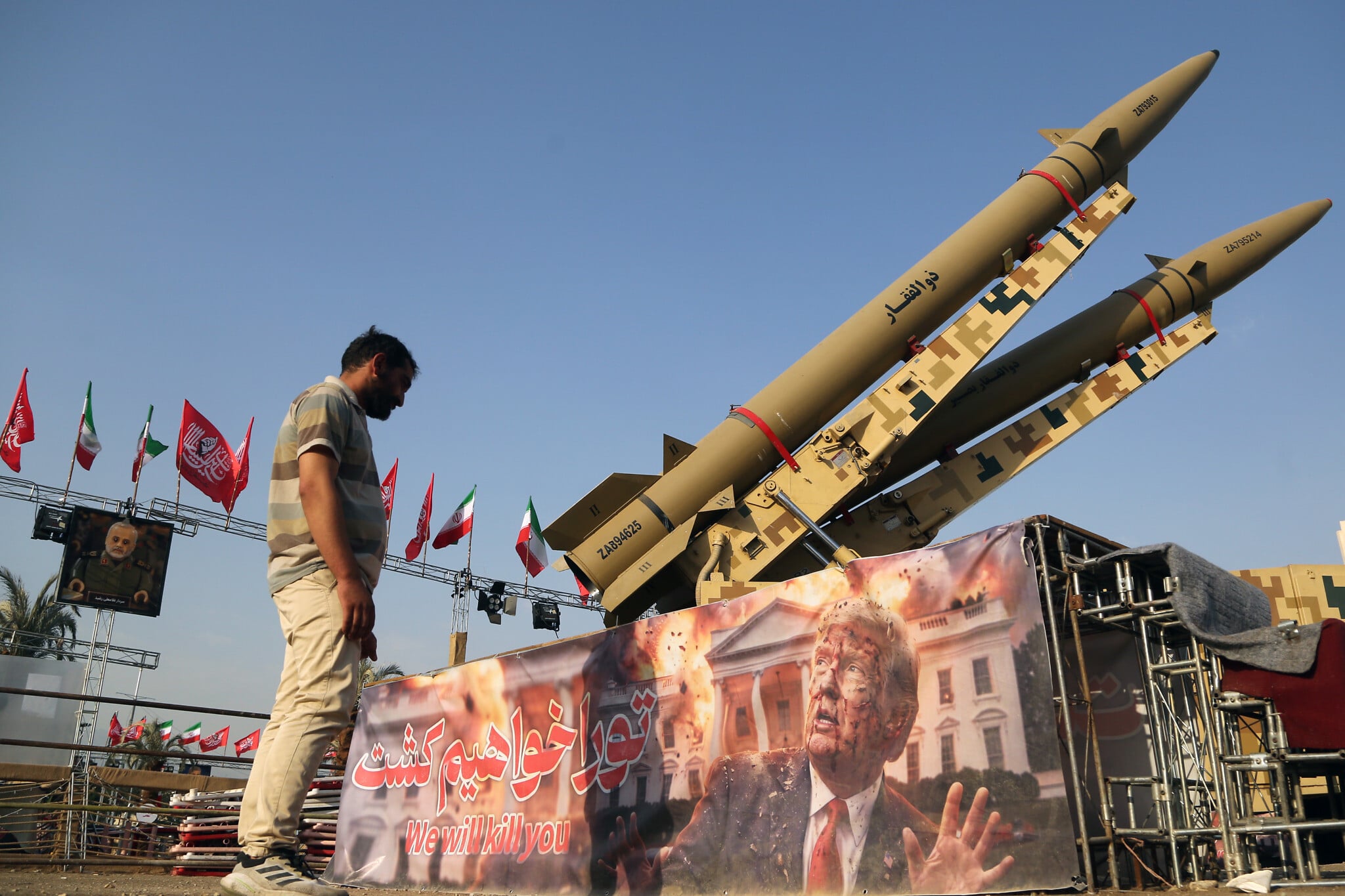 Iran denies it asked Trump not to strike or agreed to deal to split control of Hormuz (The Times of Israel, 2026-08-02)
The same report describes a compromise floated by Israel's Channel 12. Ships would enter through Iranian-controlled water and leave through Omani water, and transit fees were reportedly left out of the outline. Oman is said to have asked for assurances that the Guards would honour it.
The attack is off and the strait is being opened. This is the point where the war premium comes out of the price.
There was no request and no deal. The strait stays shut until Washington backs off, and passage is something the Revolutionary Guards grant.
Both sides are describing the same two days, and they disagree on whether an agreement exists at all. What splits them is who sets the terms of passage.
So what settles this
The question comes down to one thing. Is this the start of the war premium unwinding, or a pause before it goes back on. The place to look is the ships. If tankers begin transiting without clearing it with the Revolutionary Guards first, the deal is working. If passage stays permission-based, the announcement was words. Oil has already answered half of it. It gave up 5% and did not return to where it sat at the start of July. The attack being cancelled is a confirmed fact. The strait being open is not one yet. The market has priced itself somewhere in between.
- Trump called off the US attack on Iran, saying Iran and other Middle Eastern countries had asked him to and that the perimeters of a deal were agreed.
- He said the deal would include a complete opening of the Strait of Hormuz, and oil fell about 5% within a day.
- Iran says it made no such request and agreed to no deal. Passage through the strait still needs permission from the Revolutionary Guards.
What happened next
Awaiting gradingScore as a hit if tanker transits through Hormuz without prior Revolutionary Guards permission are confirmed by the end of August, and as a miss if passage stays permission-based or the closure holds.
This author's record
- BullTrump threatens to bomb an Iranian bridge or power plant for every shot fired i…
- BullTrump spikes the football on June CPI, 'biggest monthly price drop in six years'
- BullTrump touts TSMC's record $265B Arizona chip bet, 'build here, and NO TARIFFS'