The US bought yen for the first time since 2011, and it sold euros rather than dollars to do it
The US and Japan appear to have found a way to intervene against yen weakness without selling US Treasuries.
The US supports it through the ESF, and Japan uses the FIMA window to pledge its bonds as collateral, borrow dollars and sell them.
What seems to matter here is that the US and Japan moved together at the level of the state.
On July 31 the Federal Reserve Bank of New York sold euros and bought yen on behalf of the US Treasury. It is the first time since 2011 that Washington has stepped into the currency market on the buying side of the yen.
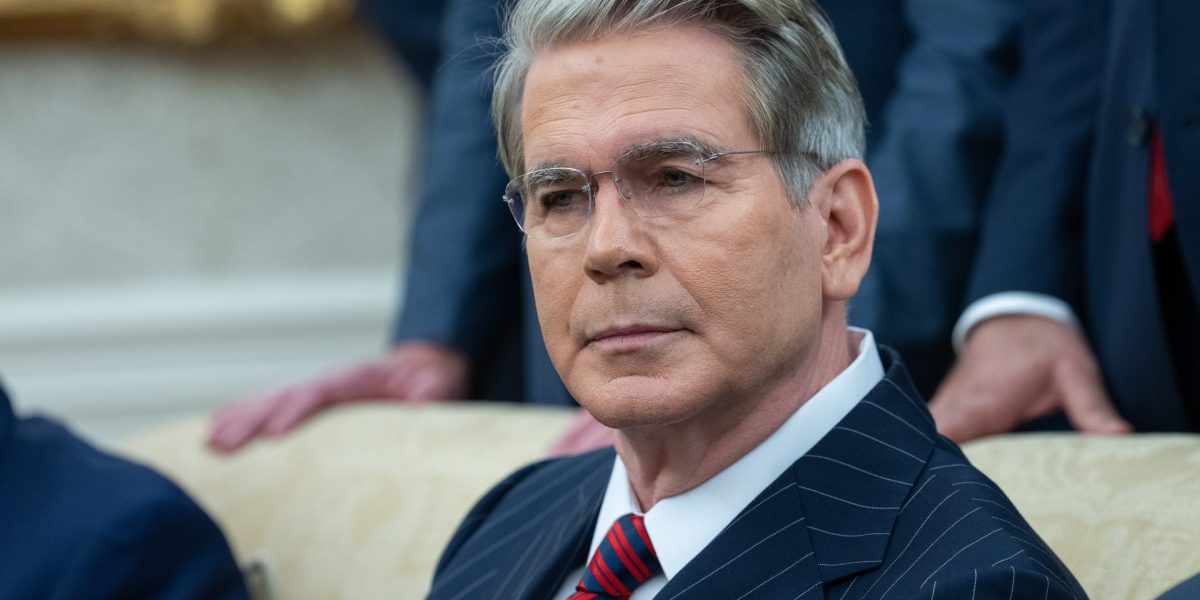 Bessent joins Japan to help reverse months of yen losses (Fortune / Bloomberg, 2026-08-01)
Bloomberg reports that Japan spent 8.45 trillion yen, about $52.8 billion, on July 30 alone. That is likely the largest amount Tokyo has ever spent in a single day. The yen closed Friday at 157.40 to the dollar, its strongest since early May.
Why did one notepad become the story
It started with a sheet of paper. A Reuters photograph taken at a cabinet meeting on July 31 caught the notepad of Treasury Secretary Scott Bessent. Under the words 'To Do' it read 'Buy Japanese Yen (JPY) $5-10 bil.'
Reuters reports that the Treasury had alerted banks to a possible intervention that morning. The Treasury did not comment on the contents of the memo.
Why do US Treasuries come up when you buy yen
To push the yen up you have to sell dollars and buy yen. That means you need the dollars first, and where those dollars come from is the whole question here. The money Japan spends on the exchange rate comes out of a special account run by its Finance Ministry. The account holds $1.3747 trillion, and $1.0087 trillion of it, most of what can be turned into cash quickly, sits in US Treasuries. Put simply, Japan's dollar wallet is stuffed with US government debt. Opening the wallet means selling those bonds, and the moment they are sold there are more of them around, so prices fall and yields rise. The one number Bessent has said he watches most closely is the 10-year Treasury yield.
Over the two days when the intervention was concentrated, the 10-year yield rose 0.07 percentage points. That is a small move for a story about heavy Treasury selling. On the Fed's weekly balance sheet, the dollars that foreign monetary authorities have borrowed against Treasuries stood at zero through July 29. The FIMA route the original piece expects had not been used, at least up to that date.
Retrieved 2026-08-03 · Federal Reserve H.4.1 (released 2026-07-30, as of Jul 29) · FRED DGS10 · limit from the Fed's standing FIMA repo announcement of 2021-07-28
So where did the dollars come from this time
What the US sold this time was not dollars but euros. The Treasury keeps a separate pocket called the Exchange Stabilization Fund, and euros and yen sit inside it. Selling euros to buy yen leaves US Treasuries untouched. What Japan will use has not been confirmed. The original piece expects Japan to use a window called FIMA repo. Created in March 2020, it lets a foreign central bank pledge the US Treasuries it already keeps in custody at the New York Fed, borrow dollars for a short period and buy the bonds back later.
 Federal Reserve announces the establishment of a standing FIMA repo facility (Federal Reserve, 2021-07-28)
The Fed's announcement fixes the collateral as Treasuries held in custody at the New York Fed and the limit at $60 billion per counterparty. Selling a bond and pledging it are very different things in the market. The seller puts paper into the market. The borrower does not.
Washington has taken the same side for the first time. When both countries step in, anyone betting on a weaker yen has a hard time holding on.
The $5-10 billion on the memo is less than a fifth of the $52.8 billion Japan spent in a single day. What the US put in looks more like a signal than money.
The same fact reads differently depending on whether you price the signal or the money.
So what will tell us which it was
In the end the question is one. Whether a route has really opened that defends a currency without selling US Treasuries, or whether this was a signal that lasts a few days. The place to look is the balance sheet the Fed publishes every Thursday. If the dollars borrowed by foreign monetary authorities against Treasuries move off zero, Japan has opened that route. If that number stays at zero while the yen slides again, Japan either went back to selling bonds or gave up on intervening. Two governments can agree to move an exchange rate for a few days. What they cannot settle by agreement is where the dollars behind it come from. The record this intervention leaves will not be how far the yen went, but whether there was a way to hold the line without selling the bonds.
- On July 31 the New York Fed sold euros to buy yen for the US Treasury, the first US yen-buying intervention since 2011.
- It began with Treasury Secretary Bessent's notepad. A Reuters photo caught the line 'Buy Japanese Yen $5-10 bil,' and the yen came back from 164 to 157 per dollar.
- Yet the US put in less than a fifth of the $52.8 billion Japan spent on July 30 alone. What matters here is not the size but the way dollars were raised without selling US Treasuries.
What happened next
Awaiting gradingScore on the Fed's H.4.1 released August 6 (as of August 5): dollars borrowed by foreign monetary authorities against Treasuries moving off zero counts as the FIMA route opening, staying at zero counts as the original expectation missing.
This author's record
- BullWhy did China build a 2008 model when it already held ASML's 7nm scanner?
- BullHouthis strike two Saudi-owned tankers by name, following through on a five-day…
- BullMeru: Alphabet raises 2026 capex to $195-205B even as free cash flow turns nega…