The long-term contracts said to cap SK hynix's upside turn out to carry no price ceiling at all
Negotiations are proceeding smoothly, supported by robust customer demand.
Given the recent sharp increase in conventional DRAM prices, these market conditions could also influence HBM price negotiations.
However, HBM pricing is not determined solely by movements in conventional DRAM prices.
SK hynix is negotiating the volumes and prices of the HBM it will sell in 2027 with its major customers right now. The answer came in the Q&A that followed its second-quarter results on the 28th. The answer itself was short, that talks are going smoothly. The more useful part came next. The long-term supply agreements already signed are not contracts that nail a price down to one number.
Does HBM follow DRAM prices?
The company said conventional DRAM average selling prices rose about 30% from the previous quarter, and NAND rose by the mid-50s in percentage terms. So the question was whether HBM prices simply ride along. The answer was that it does not work that way. Building one HBM stack eats more wafers than plain DRAM of the same capacity, and adds the TSV step that drills through stacked dies to connect them, plus extra packaging. So prices are set customer by customer, weighing not only conventional DRAM pricing and supply and demand but the resources and the opportunity cost that go into HBM. Opportunity cost here means the money the same production line would have earned making something else. When DRAM prices jump, what the company gives up to make HBM instead grows too, and so does its ground for charging more.

Why did July read it the other way?
On 13 July SK hynix shares in Seoul fell 15.4% in one session, the steepest single-day drop in company history. The reason the market gave that day was these very contracts. If a price is fixed for several years, the reading went, a spot rally passes the seller by. Korea Investment & Securities cut its second-quarter operating profit estimate to 60.4 trillion won, about 8% below the 65 trillion won consensus. The reported figure came in at 60.54 trillion won. The estimate was almost exactly right, which means the market already knew.
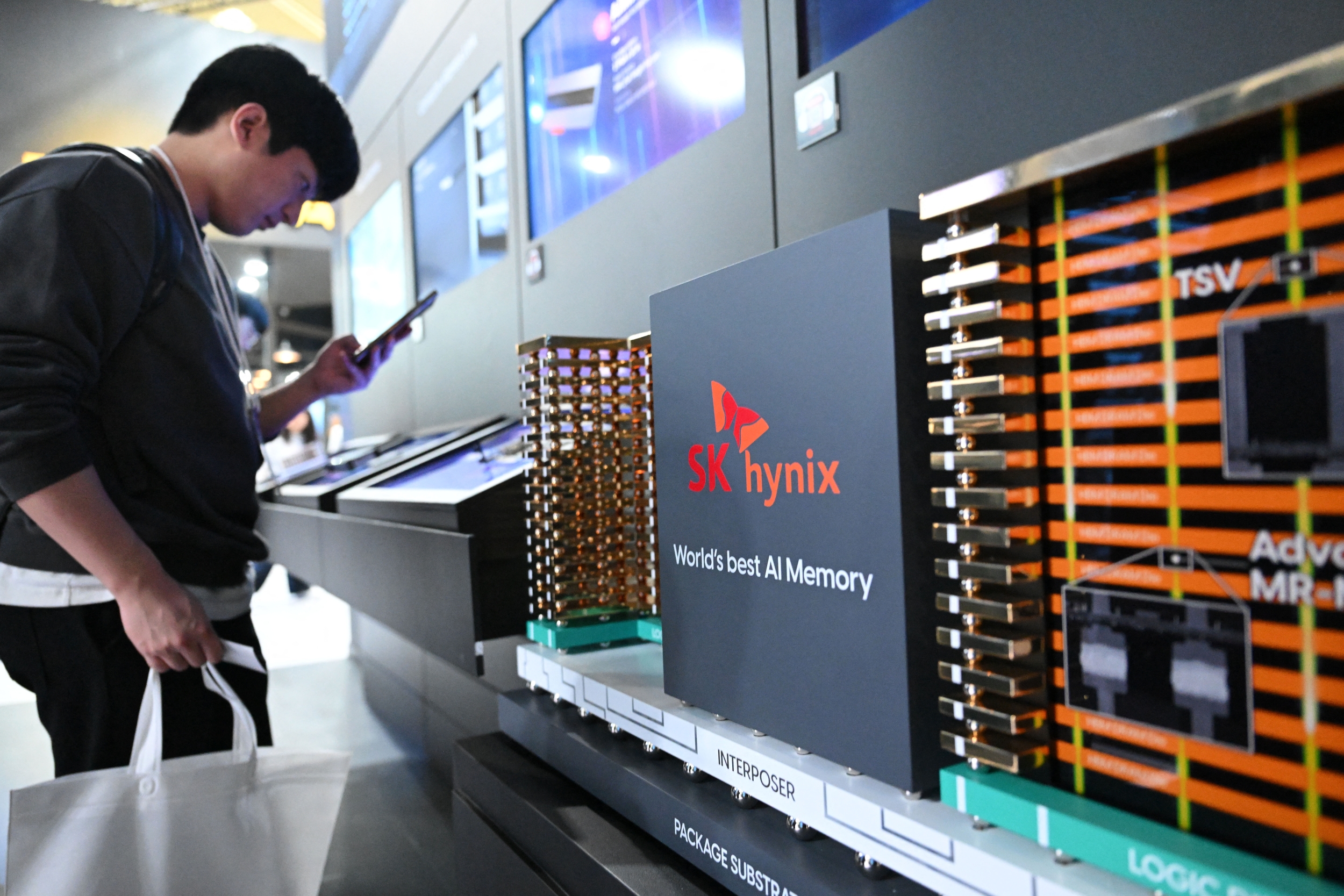 SK hynix posts worst Seoul session on record as HBM contracts are said to limit earnings upside (Tech Times, 2026-07-13)
What does no cap mean?
On 2 July the Taiwanese research house TrendForce reported that SK hynix had removed the price cap from its long-term agreements. Spot increases can pass straight through into contract pricing under that structure. Micron, by contrast, is said to keep both a ceiling and a floor pegged to second-quarter market levels. The contract terms the company described this week point the same way. It has closed agreements with about 10 customers including its key accounts, terms run around five years, and deposits are built in so customers stay committed. What is locked is volume and duration. Price was left open.
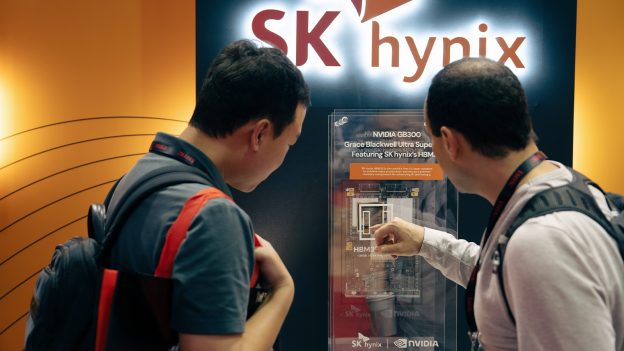 SK hynix reportedly removes price cap in memory long-term agreements, diverging from Micron (TrendForce, 2026-07-02)
Multi-year contracts fix the price, so however far memory prices run, SK hynix cannot collect it.
What the contracts lock is volume and duration. Prices vary by customer and product, and the ceiling is reported to be gone.
The same contract splits readers depending on whether they see it as a lock on price or a lock on volume.
So what settles it?
It comes down to one question. Are these contracts a cage around the company's prices, or only around its volumes? If they cage prices, the gap between DRAM spot prices and SK hynix's own average selling price should keep widening from the third quarter on. If they cage only volumes, contract prices should follow the spot rally with a lag and that gap should close. The fact that 2027 volumes and prices are being negotiated right now is half the answer already. A company that had fixed prices for years would have nothing to renegotiate each year. The removal of the price cap, though, is trade reporting rather than something the company has confirmed itself, so the next quarter's average selling price is the number to watch alongside it.
- SK hynix says it is negotiating 2027 HBM volumes and prices with its major customers right now.
- Two weeks ago the market read its existing long-term contracts as locking prices in place, so the company could not collect the memory price rally, and the Seoul shares fell 15.4% in a single session.
- But the contracts the company described this week do not fix a price, and an industry research house reports that SK hynix has removed the price ceiling from them.
What happened next
Awaiting gradingCheck at the third-quarter results whether SK hynix's DRAM average selling price growth comes close to the conventional DRAM spot move over the same period. Close means the contracts locked volume only, well short means July's price-lock reading was right.
This author's record
- BullSamsung Electro-Mechanics told customers it will raise MLCC prices 30%. The rea…
- BullThe next AI hardware bottleneck isn't memory. It's a tiny capacitor whose price…
- BullWhy did chip stocks keep falling even after a string of earnings beats?