AI capex expectations grew 1.7 times in half a year, but the side putting up the money changed
Hyperscaler capex expectations for 2026 have exploded from $460 billion to $789 billion in just 6 months.
This what late-stage investment manias look like: spend first, worry about the returns later.
The money going into AI data centers is no longer put up only by the companies spending it. On 10 August 2026 Nvidia said it had agreed with Apollo, BlackRock, Blackstone, Brookfield, Goldman Sachs and KKR to set up compute financing platforms, and to pull more than $500 billion of outside capital into them. A compute financing platform is a separate funding vehicle set up to lend money to the people building data centers.
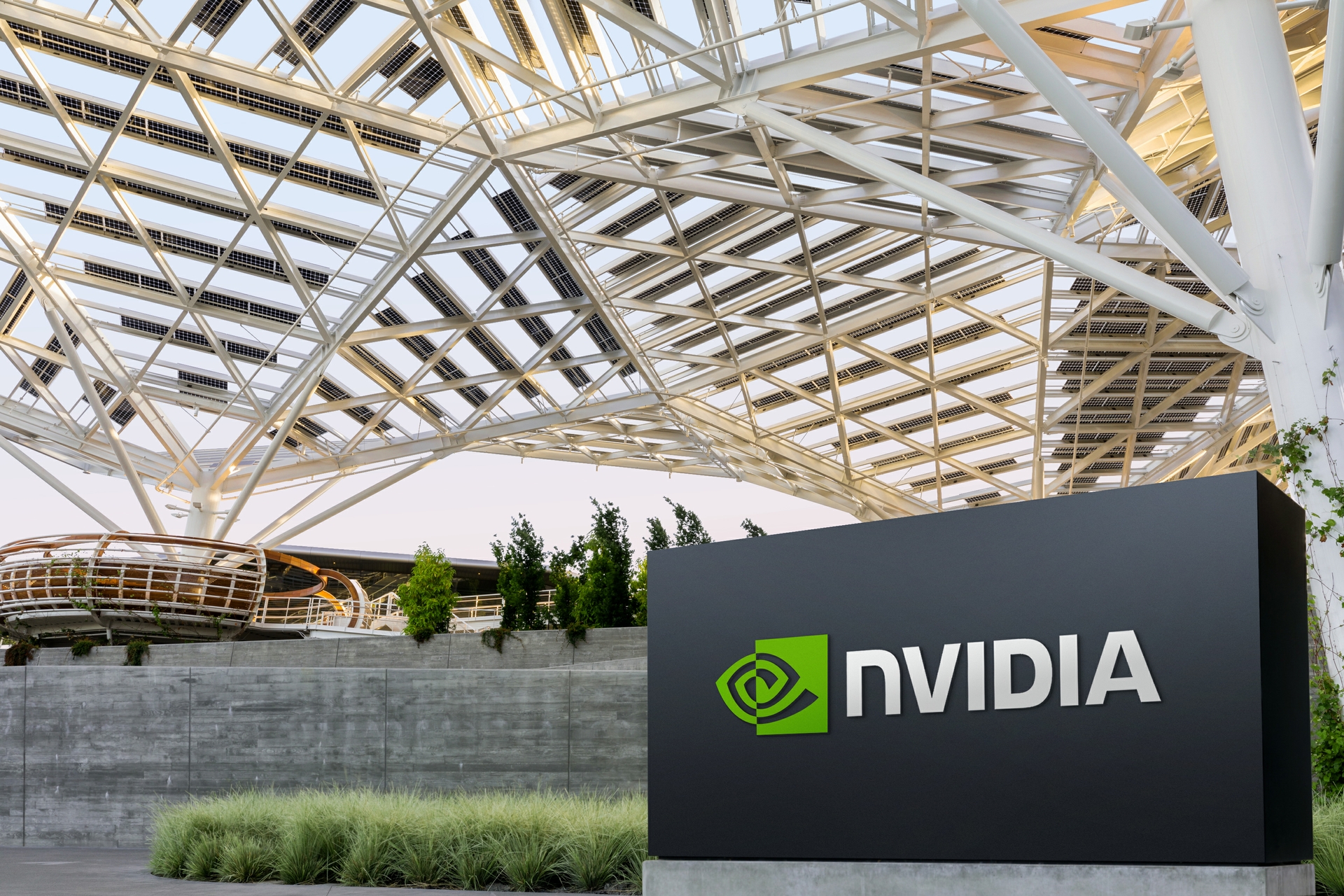 Nvidia to build AI compute infrastructure financing platforms with six asset managers (NVIDIA Newsroom, 2026-08-10)
The same day, Charlie Bilello pointed at the number on the other side. Expectations for 2026 hyperscaler capex had gone from $460 billion to $789 billion in six months. Hyperscalers are the companies that build data centers themselves and sell cloud capacity, such as Amazon, Microsoft, Google and Meta, and capex is what they spend on things they will use for years, like buildings and servers.
Five months of markups
Market participants were not the only ones raising the number. A credit rating agency moved the same way.
- 2026-03
Moody's puts 2026 hyperscaler capex at $700 billion
- 2026-05-14
The same forecast is raised by $85 billion to $785 billion
- 2026-08-10
Nvidia announces financing memorandums with six asset managers
- 2027
Moody's sees 2027 capex closing in on $1 trillion
Over those five months it was not only the amount to be spent that moved. Where that amount would come from moved too.
Moody's Ratings forecasts as reported by DataCenterDynamics on 2026-05-14 · NVIDIA Newsroom · retrieved 2026-08-10
Moody's count of hyperscalers also includes Oracle and CoreWeave. That sample is wider than the one behind Bilello's figure, so the two numbers cannot be set side by side, but they point the same way.
Where does the money come from
The borrowed money stays on the data center operator's books, while the GPUs bought with it are booked as Nvidia's revenue. The capex total alone will not tell you who is carrying the risk.
When the seller of a part helps its buyers raise money, revenue and credit start moving as one. Axios reported the worry that in a structure like this, trouble at one company can ripple through the whole AI ecosystem. There were also reports that Nvidia had separately agreed to guarantee financing for a $250 billion data center for OpenAI.
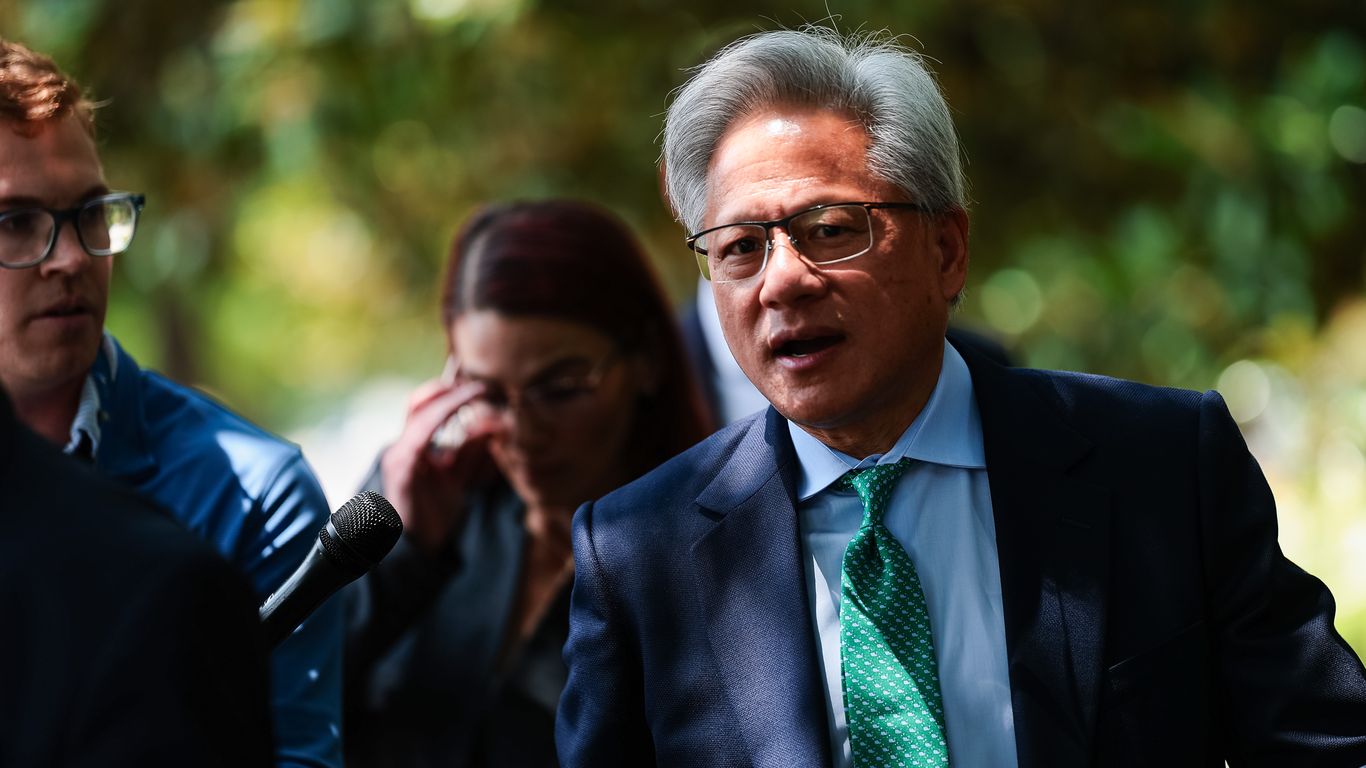
Jensen Huang said that day that in AI, compute is revenue, a way of moving the company from one that sells chips to one that builds infrastructure that earns.
The six memorandums of 10 August
All six are at the memorandum stage. A memorandum of understanding writes down what the parties mean to do, and the binding contract is signed separately afterwards. Nvidia's own release says the partnerships remain subject to execution of the final agreements. So what is being decided now is not the size of the capex number but where that money comes from. Bilello's number tells you how much is being spent, and the announcement tells you who puts it up. If four or more of the six turn into final agreements, funding for data center construction really has moved toward outside capital. If three or fewer do, the plan set out on the day of the announcement was not carried out as drawn. However large the capex total grows, without looking separately at who puts the money up and who repays it, there is no way to tell the mania Bilello describes from a change in how the spending is funded. Once the spender's books and the borrower's books come apart, the risk does not disappear, it moves.
- What the industry expects to spend on data centers in 2026 grew 1.7 times in half a year.
- Bilello reads it as a late-stage mania: spend now, ask about returns later.
- But where that money comes from is changing. Outside capital gathered by Wall Street is taking the place of the spenders' own cash.
Scheduled for gradingAwaiting grading
Sources
- Original Charlie Bilello (@charliebilello) on X · 2026-08-10
- NVIDIA Newsroom The release announcing compute financing platforms with six asset managers to mobilize over $500 billion of third-party capital, stating that the partnerships remain subject to execution of the final agreements · 2026-08-10
- Axios Coverage of the same announcement, carrying the concern about a supplier financing its own customers and the reported guarantee for an OpenAI data center · 2026-08-10
- Report on Moody's forecast Report that Moody's Ratings raised its 2026 hyperscaler capex forecast from $700 billion to $785 billion and sees 2027 closing in on $1 trillion, covering Microsoft, Amazon, Meta, Alphabet, Oracle and CoreWeave · 2026-05-14
Retrieved 2026-08-10 · the $460 billion and $789 billion figures are the consensus numbers Bilello cites. The $700 billion, $785 billion and $1 trillion figures are Moody's Ratings forecasts over a sample that includes Oracle and CoreWeave, which is wider than Bilello's. The six partnerships and the fundraising target are all at the memorandum stage and remain subject to execution of the final agreements. The OpenAI data center guarantee comes from press reporting and does not appear in the release.
This author's record
- BearUS listings have climbed to 1.12 million, and they are still 11.6% below normal
- BearBilello asks: are we in an earnings bubble?