Why is a back door China shut on June 23 turning into selling in Korean chip stocks now?
6월 23일, 중국 증권감독국이 한 조치는 신규 TRS계약을 금지하고, 기존 계약의 한도 증액도 막았음.
신규가 같이 막혔기때문에,한번 나가면 다시는 못들어오는 구조임.
중국이 해외 TRS를 끊었고, 6월23일부터 수개월간 TRS 자금이 순차적으로 청산되어 중국으로 돌아가고 있다는 정도임.
Some of the foreign selling in Korean chip stocks may be Chinese money being liquidated under compulsion. On the evening of Tuesday, June 23, China's securities regulator gave brokerages verbal guidance that blocked both new total return swap contracts on offshore stocks and the renewal of contracts coming due.
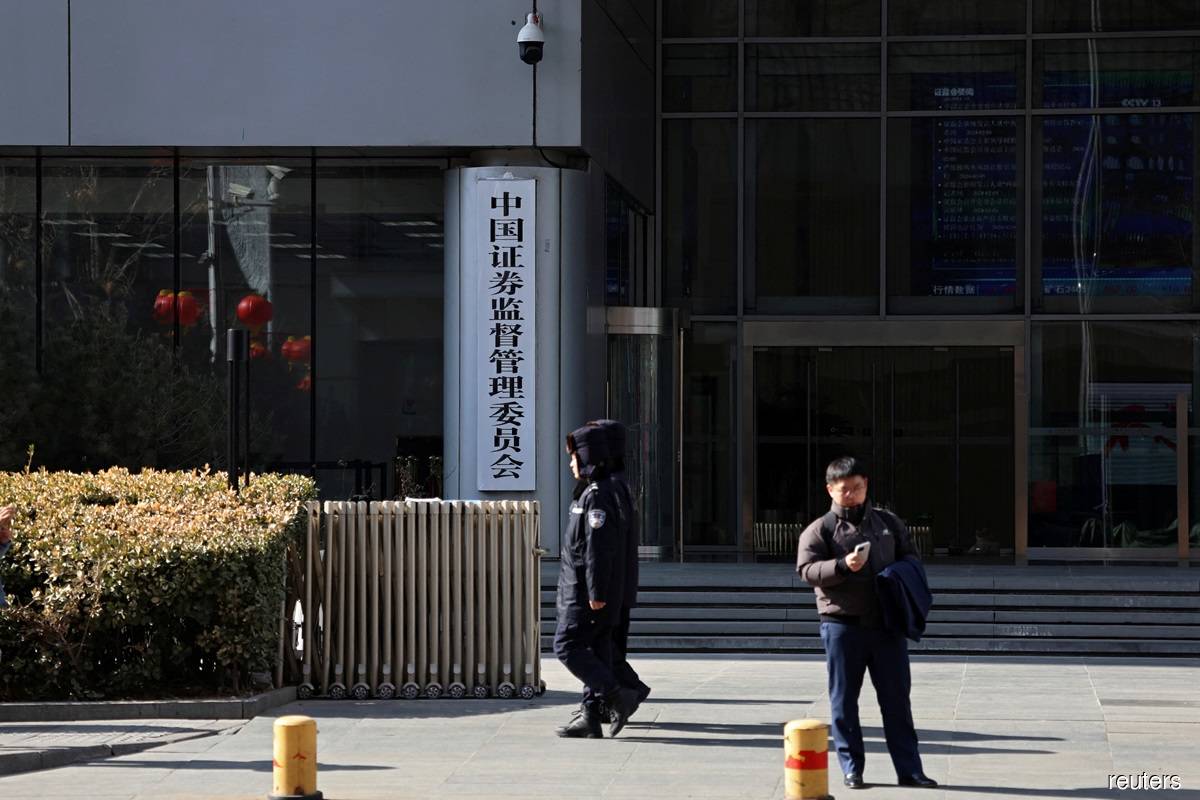 China securities regulator ordered cross-border swap curbs (Reuters, 2026-06-26)
That report puts the affected book at 500 billion yuan, or 73.5 billion dollars, and says most of it sits in overseas equities. It also confirms that contracts reaching maturity cannot be rolled over.
What a total return swap is
A total return swap is a contract where someone else buys the stock in their own name and you collect only the gain or loss. Put simply, the name stays with the lender and only the outcome comes back to you. Say a Chinese private fund wants to own SK Hynix but capital controls keep it from sending dollars abroad. It signs this contract with a foreign broker such as Goldman Sachs or Morgan Stanley, the broker buys and holds the shares under its own name, and only the price difference is settled inside China. The money never crosses the border while the offshore gain or loss lands anyway. With Chinese equities and property both weak, demand reportedly poured through this channel into US, Japanese and Korean technology stocks.
Why something blocked in June is landing now
These contracts are short. They come in one, three and six month terms, mostly three, and the way they lasted longer was by being rewritten each time they matured. Block the renewal and the position has to be sold the moment it comes due. Because the contracts were struck on different days, the maturities are scattered across June 23 to September 22. Then July brought a sharp drop in AI and memory names, and with it demands for more collateral. Anyone who could not wire dollars in time, because of the same capital controls, reportedly had no option but to sell what they held.
The 73.5 billion dollars in the original post is the same figure Reuters reports as 500 billion yuan, and the rollover block is confirmed separately. The premise holds up against the reporting. What no report gives is how much of that book sits in Korean names.
Reuters 2026-06-26 and South China Morning Post 2026-06-24, press reports
How much of it is Korean
This is the spot where the original post says it does not know. The split of that 73.5 billion dollars by country is not disclosed. That the money reached Korea at all, though, can be confirmed elsewhere.

That article names the targets of the guidance as surging US, Japanese and South Korean technology stocks, and says the funds hit hardest are private funds holding more than 30 percent of their assets in Hong Kong and US shares. The original post could only say the Korean share was unknown. The report names Korea as one of the destinations. One more thing splits here. When the broker holding the position sells the shares, the Korean tape records it as foreign selling. The money is Chinese by nationality, and the screen shows one line that says foreign.
Where the money went instead
The cash that could not leave had somewhere to go. CXMT, the Chinese memory maker that listed on July 27. China needs to defend the yuan, build up artificial intelligence, make its chip supply self-sufficient and hold up its own stock market, all at once. Read that way, this rule may be less a patch on a leak than one piece of a policy that removes the exits and pushes the money toward domestic advanced industry.
So what settles it
The question comes down to one thing. Is the foreign selling arriving now a verdict on Korean chip earnings, or the calendar of maturities. If the selling holds at the same intensity past September 22, the maturity explanation runs out there. If it fades before then, much of it was the renewal ban. Flows through these contracts are not published by country, so there is no way to carve out this channel's share of the Korean decline as a number. Safer, then, to read it not as the cause of this selloff but as one more line on the list of causes.
- On June 23 China's securities regulator blocked both new total return swaps on offshore stocks and the rollover of existing ones.
- On the surface, what shows up is foreigners selling Korean chip stocks.
- Part of that foreign selling is Chinese money that has to be liquidated at each maturity, out of a 500 billion yuan book, 73.5 billion dollars, whose maturities are scattered through September 22.
What happened next
Awaiting gradingScore on whether foreign net selling in Korean chip stocks continues at the same intensity after September 22.
This author's record
- BullHouthis strike two Saudi-owned tankers by name, following through on a five-day…
- BullMeru: Alphabet raises 2026 capex to $195-205B even as free cash flow turns nega…
- BearKolon TissueGene's TG-C fails US Phase 3 trial, placebo outperforms on pain rel…