The US helped buy the yen, then said buying it is not enough
We've been in close contact with our Japanese allies, and they are making serious efforts to address the substantial undervaluation of the yen.
Currency intervention is a signal that governments want to change a direction.
But only strong, effective policies will result in sustained yen strength.
Three days after helping buy the yen, the US Treasury secretary said buying it is not enough. Scott Bessent wrote on August 4 that intervention is a signal that governments want to change direction, and that lasting yen strength has to come from policy. The yen now trades around 157 per dollar, back from about 163 in late July.
 Japan and US confirm rare joint intervention to prop up yen (Al Jazeera, 2026-08-03)
Al Jazeera reported that the two governments formally confirmed the July 31 joint action. It was said to be the first time Washington itself stepped in on the buying side of the yen since the 2011 earthquake.
What the US bought, and what Japan has not done yet
A currency intervention is a government using its own money to buy or sell its currency. When only sellers are left and the price slides one way, the state steps in as a large buyer to break the run. Japan did that alone on July 30, in an operation estimated at 8.45 trillion yen in a single day. The next day the US joined. That same day the Bank of Japan left its policy rate at 1%. It has been there since a hike on June 16. What actually moved in this episode was the currency market, not the rate.
- 2026-07-30
Japan buys yen alone; single-day operation estimated at 8.45 trillion yen
- 2026-07-31
The Bank of Japan holds its rate; the US joins the intervention the same day
- 2026-08-03
President Trump confirms the joint action publicly; the yen recovers to about 155
- 2026-08-04
Bessent says intervention is only a signal and lasting yen strength comes from policy
- 2026-09-18
Next Bank of Japan policy meeting
Two trips into the currency market, no move in the rate. The blank in this row is what Bessent's sentence points at.
Compiled from Al Jazeera and NPR reporting and the Bank of Japan meeting calendar, retrieved 2026-08-05
The size of the intervention is not an official number yet
Japan's finance ministry discloses intervention amounts once a month. The latest disclosure, published on July 31, covers only June 29 through July 29. So there is still no official figure for what was actually spent on the 30th and the 31st. Every number in circulation is an estimate worked backwards from moves in Bank of Japan current account balances. The next disclosure is expected at the end of August.
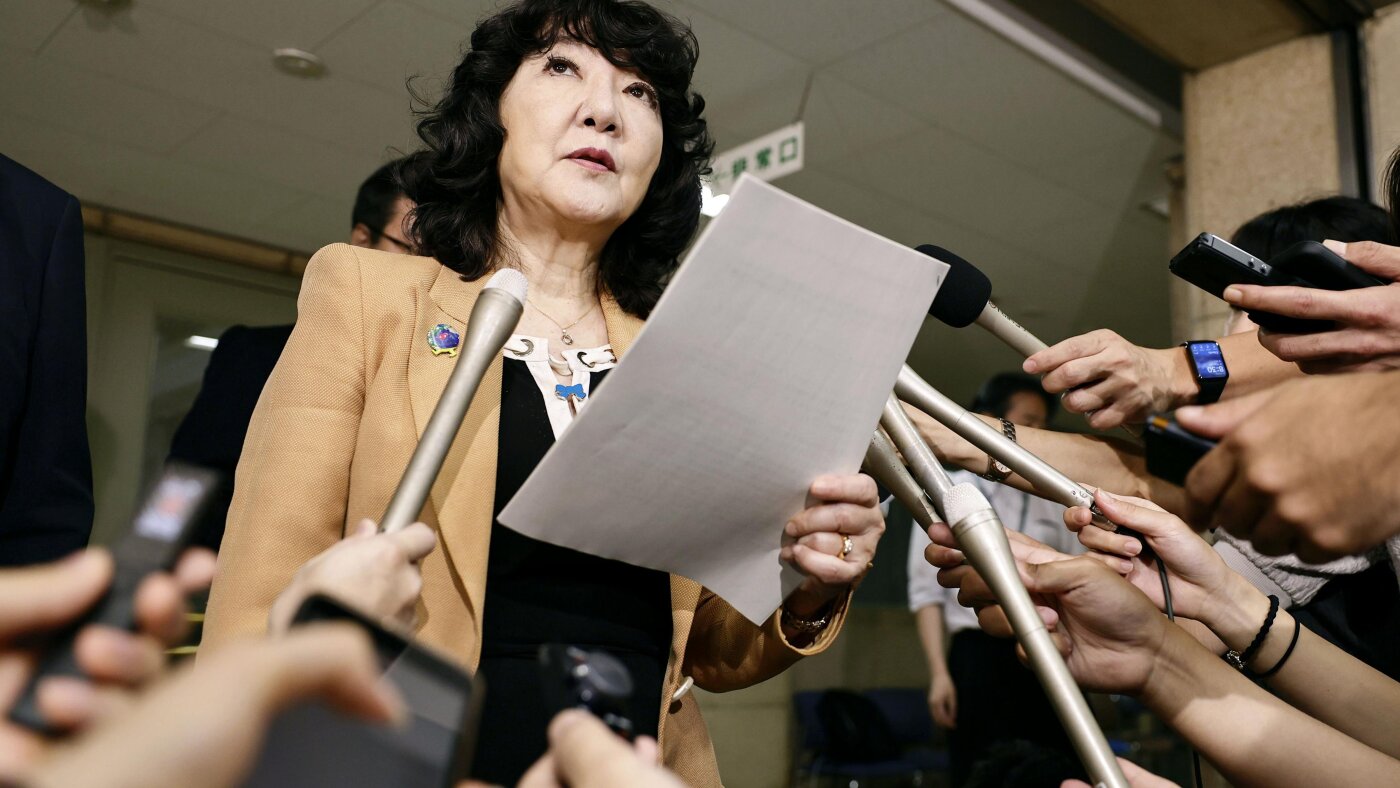 U.S. dollar weakens sharply against the Japanese yen after market interventions (NPR, 2026-08-03)
NPR reported that the dollar fell steeply against the yen right after the operations. The move has held, but whether it reflects the intervention itself or an expectation about future policy is hard to separate at this point.
On September 18 it is the Bank of Japan's turn to answer
The policy Bessent is asking for is, in practice, the interest rate. The yen is cheap because the gap between US and Japanese rates is wide, and intervention does not narrow that gap. The Bank of Japan meets next on September 17 and 18, and market pricing puts the odds of a hike at roughly half. MUFG's research desk has a hike in September and another in January 2027 as its base case. If a hike lands in September, July's intervention will read as an operation that bought time; if the hold continues, intervention is all there is. The new element here is that a US Treasury secretary is discussing an ally's monetary policy in public.
- Three days after the joint intervention, the US Treasury secretary said plainly that intervention alone will not keep the yen strong.
- On the surface this reads as Washington standing with Tokyo to push the exchange rate back.
- What is actually being asked for is a Bank of Japan rate move. The July 31 meeting was a hold, and the next chance comes in September.
Scheduled for gradingAwaiting grading
Sources
- Original Scott Bessent (@SecScottBessent), 2026-08-04
- Al Jazeera Japan and US confirm rare joint intervention to prop up yen, 2026-08-03
- NPR U.S. dollar weakens sharply against the Japanese yen after market interventions, 2026-08-03
- Japan Ministry of Finance Foreign exchange intervention operations disclosure; latest covers 2026-06-29 to 07-29, published 2026-07-31
- USD/JPY quote Around 157 yen per dollar, quote as of 2026-08-04
- Rate hike odds About 48% implied odds of a hike at the September 18 Bank of Japan meeting, as of 2026-08-04, from a market-implied probability tracker
Retrieved 2026-08-05. The USD/JPY level is as of 2026-08-04. Every figure for the July 30-31 operations is an estimate, because Japan's finance ministry has not disclosed them yet.