HP, Asus and Acer started buying Chinese DRAM, and not because it costs less
NIKKEI: HP, ASUS AND ACER BEGIN USING CXMT CHIPS AMID MEMORY SHORTAGE
You would think CXMT's price is cheaper than the top three players, which is a wrong assumption.
HP, Asus and Acer have started putting DRAM from China's CXMT into their laptops. Not because it is cheap, but because there is nothing else left to buy.
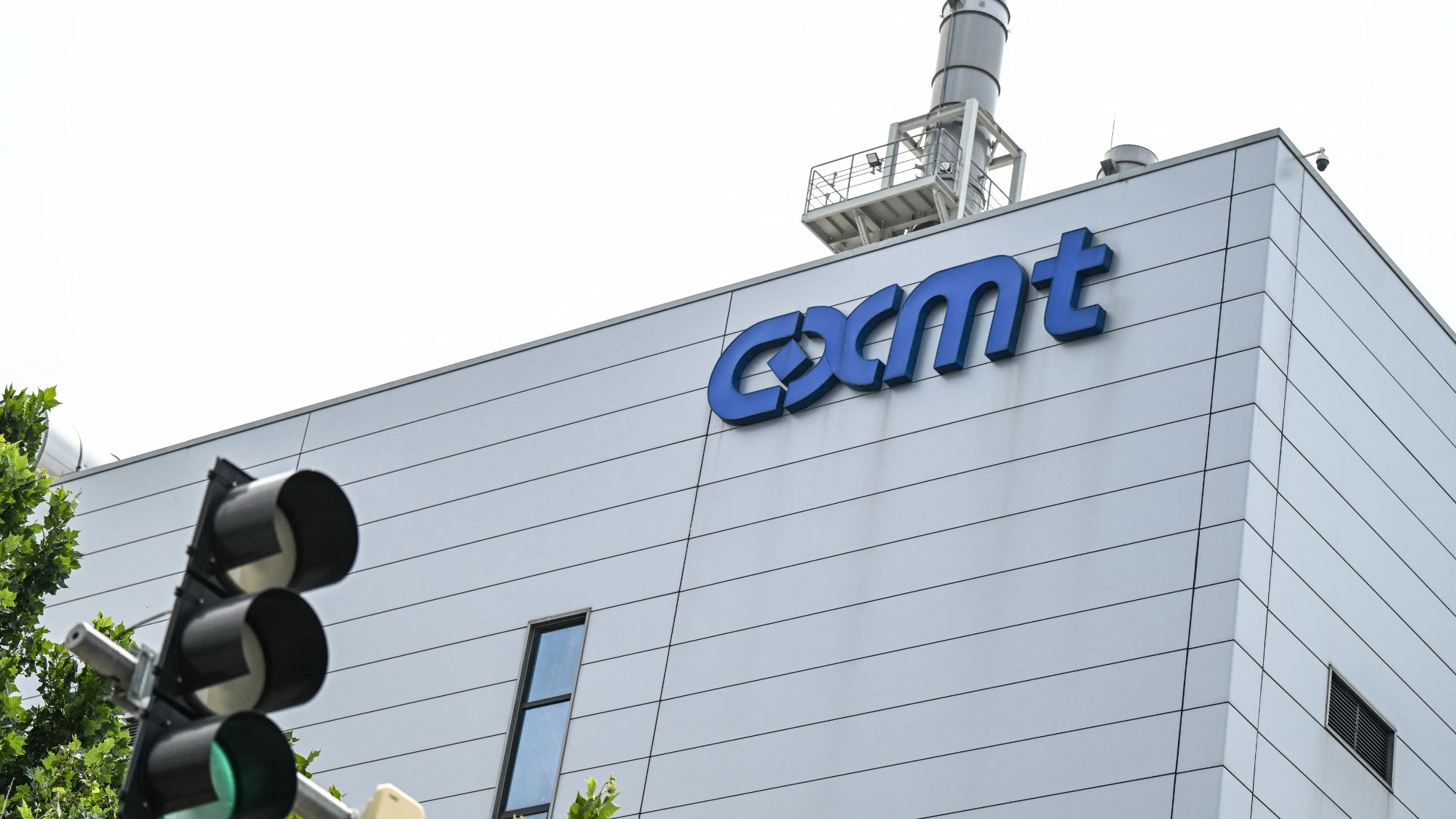 Three of the world's largest PC makers begin using Chinese memory (Tom's Hardware, 2026-08-04)
DRAM is the chip that holds whatever a program is working on while the machine is switched on. Until now it came from three companies and effectively no one else. Samsung, SK hynix and Micron. For anyone building a PC there was nowhere else to shop, so when prices rose the bill was simply paid. What happened this week is that a fourth name entered that arrangement for the first time.

Nothing ships to the United States
The volumes are small and the machines are budget notebooks sold outside the United States. Tom's Hardware reports that the Pentagon lists CXMT among companies tied to the Chinese military, and that lawmakers have been pushing to place the firm on the export blacklist outright. The company denies any military link and is not formally blacklisted yet. Even so, putting these chips into a machine sold in America today could mean pulling that machine back tomorrow.
Watching the holders of 90 percent
Washington is not the only party these PC makers are being careful with. A source quoted by Benzinga gives the temperature of the thing. The top three memory makers hold more than 90 percent of the global market, it is a seller's market, and so nobody dares source too much from CXMT right now. Annoy the party that hands out allocations and next year's share gets smaller.
 PC makers quietly take CXMT chips while fearing the memory giants (Benzinga, 2026-08-04)
That is where the line about price carries its weight. A latecomer who does not undercut is a latecomer who has no reason to. In a market this short, even the newest supplier gets to pick among buyers already queueing. The same logic sits behind reports that CXMT serves domestic customers such as Huawei first.
Eight days from listing to laptops
- 2026-07-27
Listed on Shanghai's STAR Market and rose 466 percent on day one
- 2026-08-03
Reuters reported the company is weighing a second DRAM fab in Beijing
- 2026-08-04
Its DRAM was confirmed inside selected HP, Asus and Acer notebooks
- 2026-12
A plan to produce LPDDR6 in small volumes was reported by Bloomberg
Funding, expansion and a Western customer arrived within eight days of each other. What this company is short of right now is neither money nor orders.
Original post · Reuters (2026-08-03) · reporting citing Bloomberg (2026-08-04)
What LPDDR6 decides in December
The LPDDR6 that CXMT says it will produce by year end is the current standard for phones and thin laptops. Filling a few budget notebooks with an older standard is one thing. Selling the newest standard to Western brands is another. If it stays the first, this adoption is a stopgap that lasts until prices come back down. If it becomes the second, buyers of DRAM will hold a fourth quotation for the first time in the history of this market. Even then those chips will most likely still be missing from anything sold in America. In this market, gaining a supplier and getting a lower price are, for now, two separate questions.
- A market where PC makers could buy DRAM from only three companies now has a fourth name in it.
- On the surface this looks like a Chinese supplier winning on price, but industry sources say CXMT's DRAM is no cheaper than Samsung's.
- What keeps the adoption narrow is neither price nor quality but the American regulatory line, and not one of these chips has gone into a machine sold in the United States.
Scheduled for gradingAwaiting grading
Sources
- Original Jukan (@jukan05) · citing the Nikkei report and an industry remark on CXMT pricing · 2026-08-04
- Tom's Hardware Scale of adoption, the non-US limitation, the Pentagon list and blacklist push (2026-08-04)
- Benzinga The 90 percent share of the top three, the allocation-driven caution quoted from a source, and priority supply to Huawei (2026-08-04)
- Reuters (via reporting) Report that CXMT is weighing a second DRAM fab in Beijing (2026-08-03, as covered in an earlier card)
- Bloomberg (via reporting) CXMT preparing to produce LPDDR6 in small quantities by year end (2026-08-04, headline relayed by the original post)
Checked 2026-08-04 · the scale and geography of adoption come from second-hand reporting of the Nikkei story, and Acer was the only one of the three companies to answer a press query.
This author's record
- BearThe US is moving to shut Chinese networking parts out of its data centres, and…
- BearSamsung pushed its DRAM share to 39%, and the share it took came from SK hynix,…
- BullNvidia said it had no need for the NAND memory standard, and Google just joined…